
PROF. SERGIO ANSUINI | ROME, 13 FEBRUARY 2026
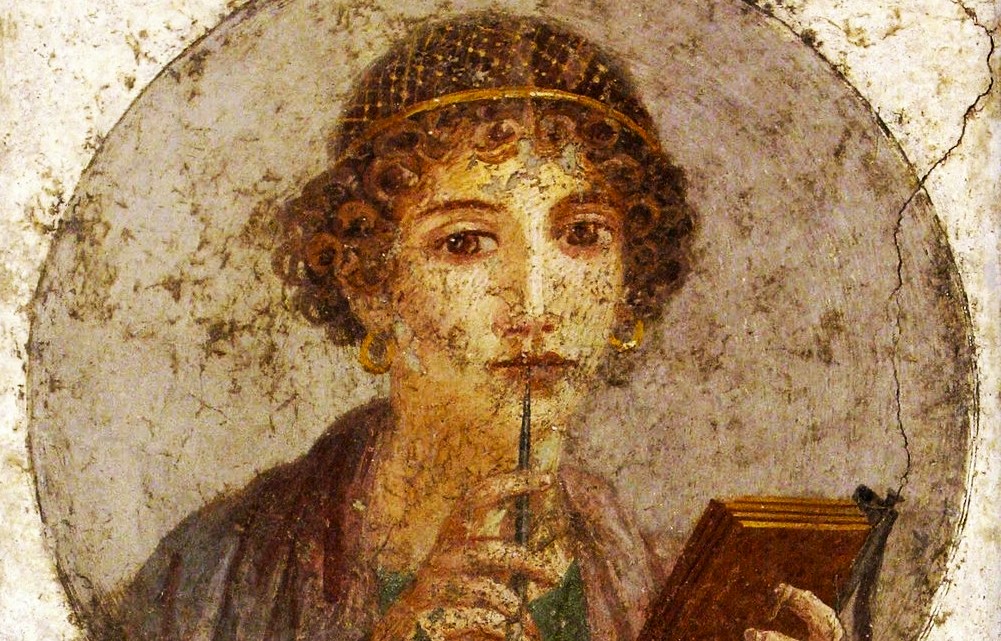
Great works of art seek the preciousness of nature. The finest fibulae were made of gold, like the wonderful hair net preserved in the Roman museum. Michelangelo, among the mountains of the Apuan Alps, searched for precious marble and, standing before a block, exclaimed: “I saw an angel in the marble and carved until I set him free.” Ultramarine blue—the splendid color obtained from lapis lazuli, which for centuries was the most expensive pigment in Europe—gave paintings a mark of importance and wealth.
Goldsmith’s art and high craftsmanship have always loved metals and precious stones: gold, platinum, rubies, emeralds, sapphires, and diamonds. The brilliance of the artist’s work merges with that of nature. In the 19th and 20th centuries, platinum was used for the most important works and had great value. In the second half of the 20th century, the fashion system became industrialized and gold was used for jewelry production. An acceptable cost of the metal, combined with contained manufacturing costs, produced items on which the multipliers necessary to sustain the advertising engine could be applied, turning an object into a perceived necessity.

Covid—with grass growing again between the cobblestones of Roman squares—and then the futile Ukrainian slaughter have shaken supposedly consolidated political and socioeconomic parameters. We watch, astonished, a rapid change without fully understanding its direction or intensity.
The fashion system is devastated. Major Italian brands are owned by foreign holdings. The passing of the last great couturiers, Armani and Valentino, has made the dissolution of Made in Italy evident. Craftsmanship, once an Italian excellence, has been depleted by reckless globalist policies. The rupture of the centuries-old apprenticeship cycle has caused irreversible damage.
Beyond geopolitical factors, radical changes in desires and in the way of life of Generation Z are also adding up.
When, before Italy was deliberately shaken, we traveled abroad, we were admired. Being Italian meant style, taste, an industrial system, and great craftsmanship. It meant being the world’s fourth-largest power. Little or nothing remains of that world, except—for those who lived it—the awareness of an unrepeatable era, nonetheless one of peace and confidence in the future.

(Ansuini, 18 kt yellow gold bracelet, 1960s)
In jewelry we witness, stunned, a “perfect storm.”
The sector is small compared to the 1980s. In Rome there were about 2,300 goldsmiths; today only a few hundred remain. The gold districts of Valenza, Vicenza, and Arezzo—once making Italy the world’s leading exporter of worked gold—have been reduced to a shadow of their former selves. Jewelry was accessible to a very broad segment of the population. Today, cash-for-gold shops thrive, monetizing pieces accumulated during more prosperous times.
The price of gold has reached prohibitive levels. In a jewel, the cost of the metal has become so high as to exclude most of the population from purchasing. A platinum jewel can even be more convenient than a gold one.
When the international situation became difficult, the price of gold rose—and with it that of diamonds, whose safe-haven component, now nonexistent, once played a significant role.

The value of diamonds—due to lab-grown diamonds, international sanctions, new lifestyles, and other factors—has fallen by about 30% in the past year alone.
Colored stones, meanwhile, have stalled. The goldsmithing industry has been hit hard.
At international auctions, high-quality artisanal jewelry is consolidating its position. Art Deco and signed jewelry are sought after. Storytelling makes a jewel desirable and differentiates it from countless other offerings.
Art has changed its parameters, but not jewelry, which has largely remained stuck in outdated forms. Timid signals in international markets point to jewelry with a new aesthetic. These pieces are presented in art galleries, but they will need to overflow into the wider market to align the jewelry world with the global sensibility of a world shaped by different forms.

(Carpenters Workshop Gallery)
I hope that the characteristics of the Italian “Genius”—its creativity, individuality, and love of beauty, innate and irrepressible—will reemerge. I hope that, if it is true that when the night is darkest the dawn draws near, a new Renaissance might rise in the light of the dawn.